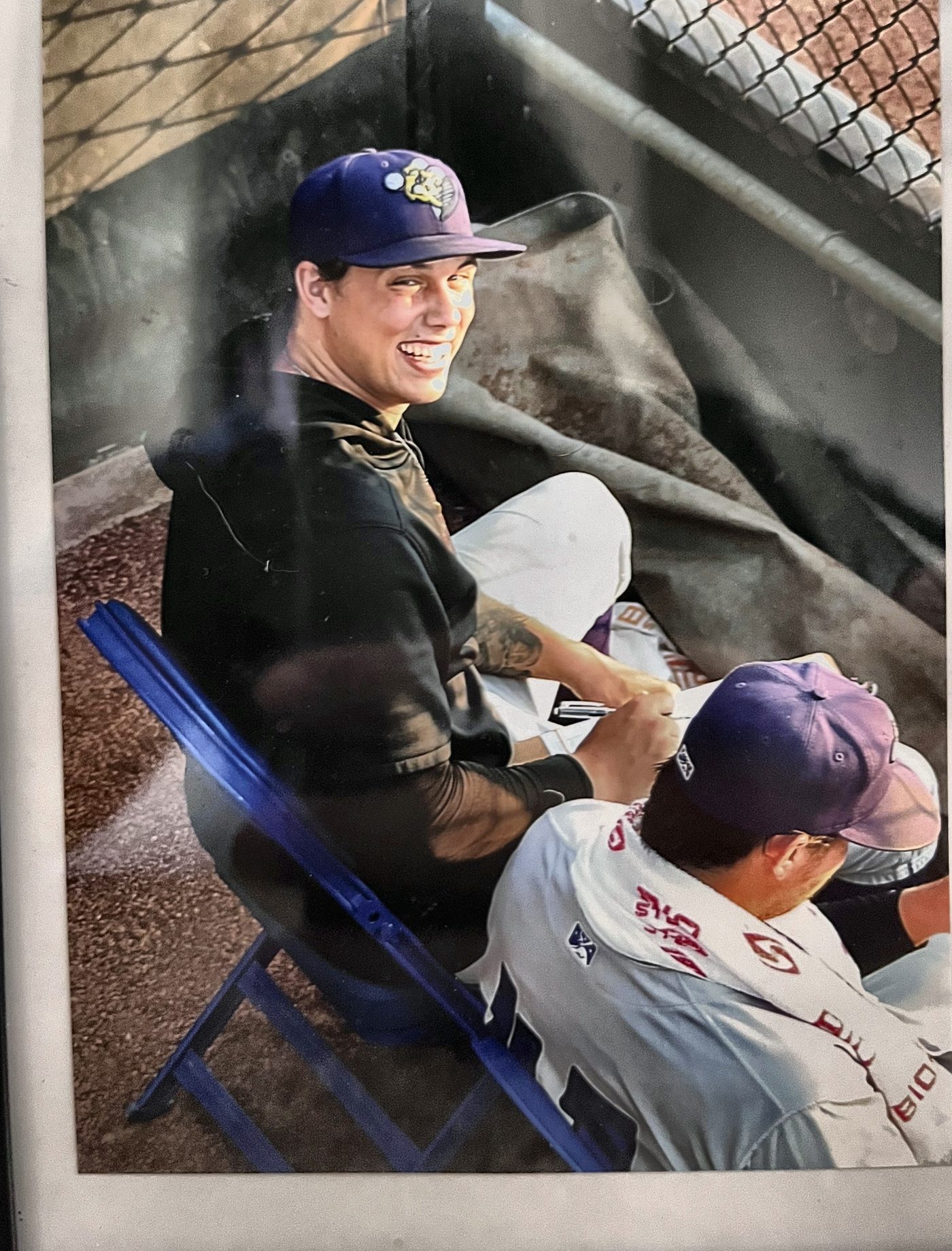
I fell in love with baseball the second I put a glove on, and played as much as I could growing up. This was great, until pitching for three separate teams led to an elbow injury at 13 that forced me to miss that whole season. Thinking that my pitching career was behind me, I shifted my focus to playing infield through high school — until I hit .150 as a junior and realized that if I was going to keep playing, something would need to change.
So I begged my coach to let me pitch again. A few decent outings for the summer team turned into the #2 starter role senior year, and though I pitched well, I was throwing 81-84 with no real second pitch, and exactly zero colleges cared. I grew up a UNC fan and went to high school in Chapel Hill, so going there wasn't really a decision. And it was also a no-brainer to try out for the club team instead of just letting my baseball career end.
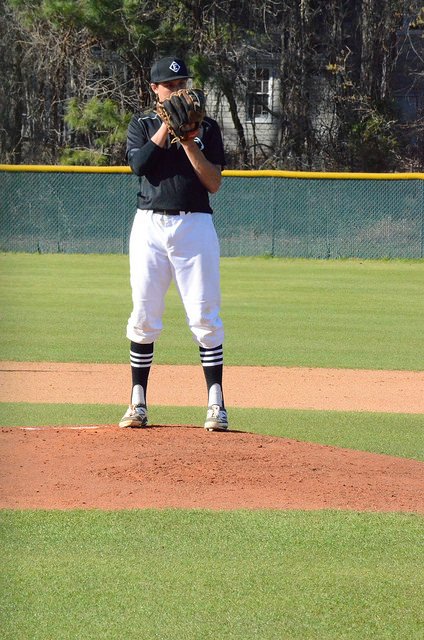
For the next four years I treated myself like a lab rat, trying to become the best pitcher I could be. Whether it was crazy programs in the weight room, throwing programs I found online, or different nutrition plans, I was always trying something to get better. A lot of it was eyewash, some of it was dangerous, but some of it worked, and I ended up sitting 92 my first start of my senior year. That number convinced me I could play past graduation.
Through 2020 and the first half of 2021, I did an AmeriCorps term with Habitat for Humanity of Durham, building houses during the day. Every night after work I'd lift, then drive to a park and throw into a chain-link fence for hours with a radar gun in the dark, just trying to throw as hard as I possibly could. Eventually I got some real coaching at Baseball Rebellion in Durham, and then I went to indy ball tryouts.
I didn't get signed out of the Frontier League tryout my first go around, but I did get picked up by the Westside Woolly Mammoths of the USPBL. Six weeks later, my manager called and told me the Twins had signed me.
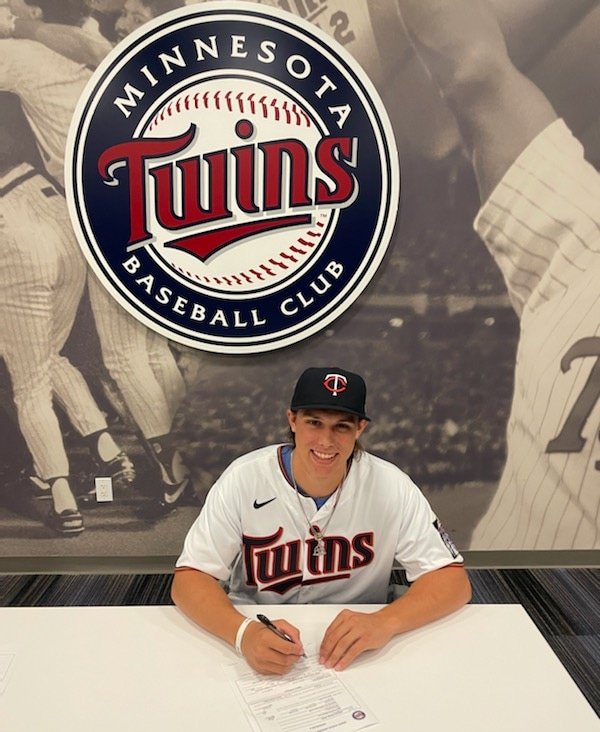
From there, I spent two and a half seasons in the Twins org, getting up to High-A in 2023 before blowing out my elbow, undergoing Tommy John surgery and getting released in the following offseason.
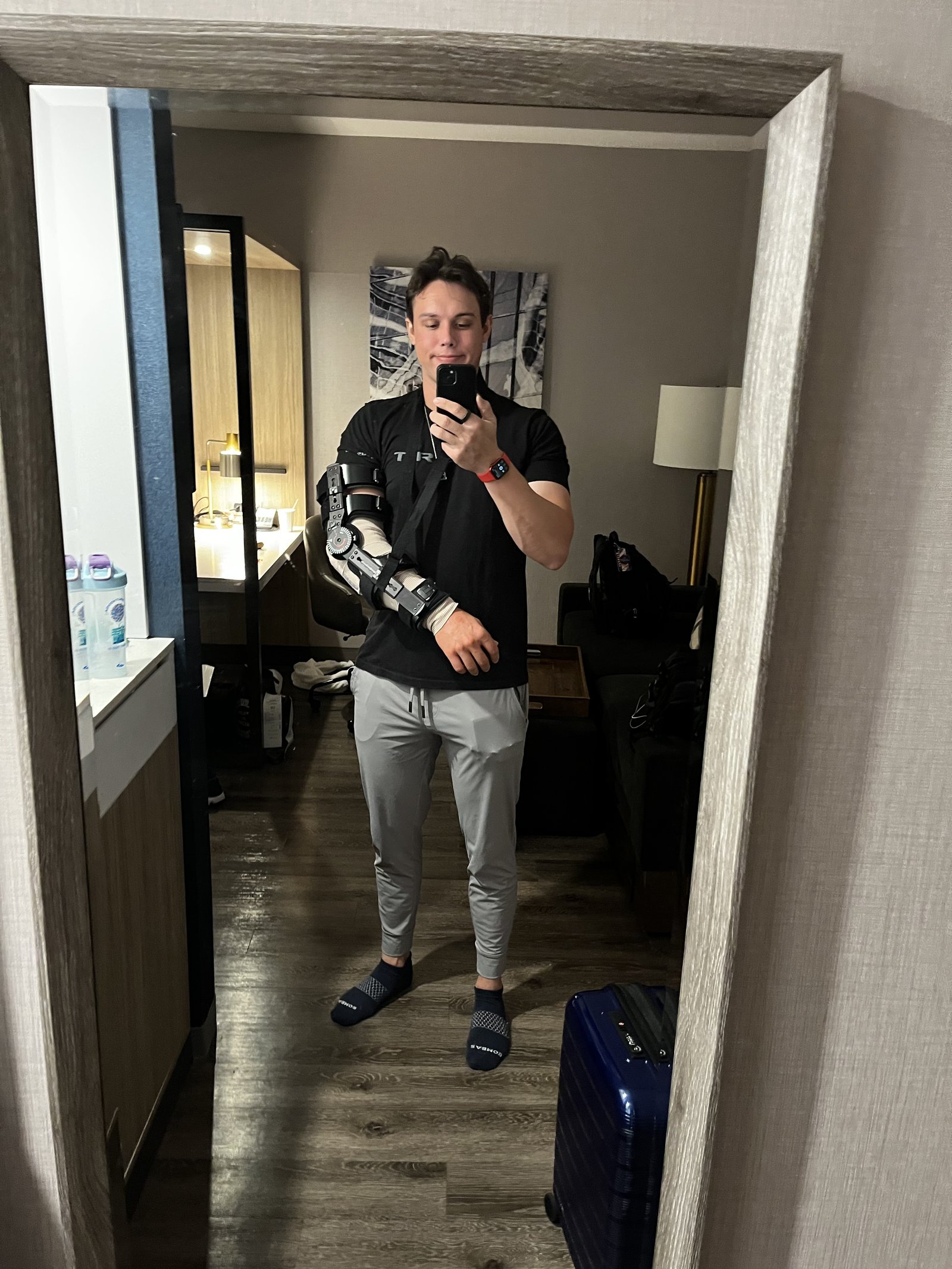
I spent 2025 and the first part of 2026 in the Frontier League with the Washington Wild Things and Down East Bird Dawgs. I decided to retire this past June, recognizing that I wasn't the same pitcher as before surgery and realizing that I was more excited at the prospect of coaching than continuing to push myself to try to regain my pre-surgery stuff.
I've always loved coaching and been passionate about the whole player development process, whether it was for me or somebody else. I've coached every offseason, no matter where I was, at facilities in North Carolina, Florida, and Arizona at different points. I now run Dark Horse Pitching from Phoenix, AZ, while also coaching at Pitching Coach U with one of my former coaches from the Twins' system.